Tesla Sets Year-End Deadline for First Cybercab Customer Deliveries
Tesla executives confirmed that the two-seater robotaxi will begin reaching private buyers by December 31, 2026, though most units will remain in the company's fleet.
By Tunde Adeyemi ·
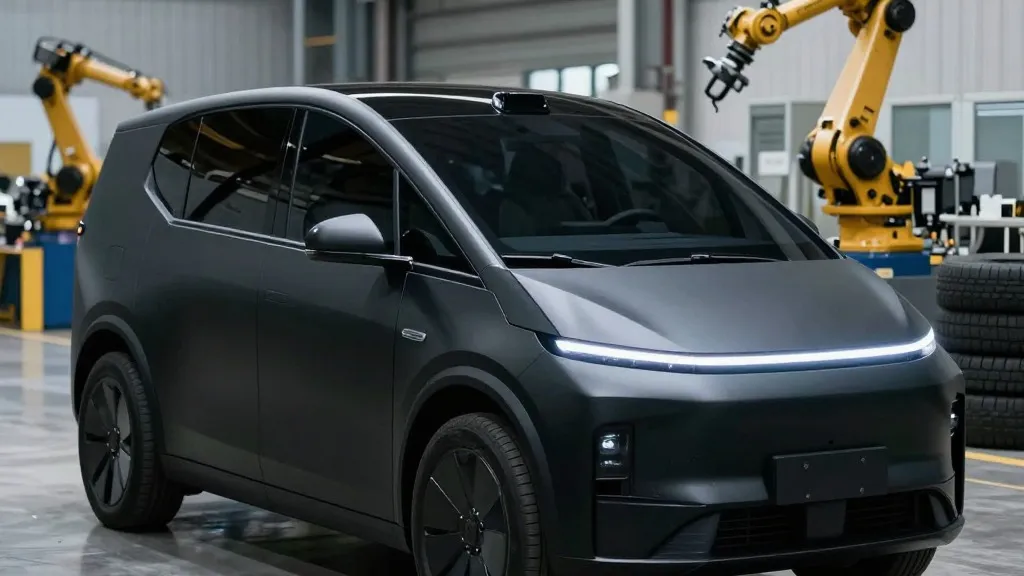
Tesla has officially locked in a timeline for the first private sale of its Cybercab, with executives stating that units will reach customers before the end of 2026. This announcement, made during the company’s third-quarter earnings call on October 21, ends a period of uncertainty regarding when the fully autonomous two-seater would move from internal testing to general availability.
Lars Moravy, Tesla’s Vice President of Engineering, provided the specific target during the call. He stated that the company is working to get Cybercabs into the hands of customers by the close of the year. Moravy noted that production is currently active on the line at Gigafactory Texas, but the immediate focus remains on internal deployment rather than external sales.
A key distinction in the rollout strategy is that the initial wave of vehicles is being directed entirely toward Tesla’s own Robotaxi fleet. Moravy explained that all units produced in the current phase are going to the internal service. This allows the company to refine its operations before handing keys to individual owners. The goal is to deliver fully designed autonomous vehicles to customers as operations scale, with the Cybercab serving as the first example of this approach.
Elon Musk, Tesla’s CEO, reinforced the idea that the Cybercab is not intended to be a mass-market personal vehicle in the same vein as the Model 3, Model Y, or the upcoming Roadster. He described the vehicle primarily as a "transport-as-a-service" offering. Musk emphasized that the vast majority of Cybercabs will remain Tesla-owned, suggesting that private ownership will be a limited segment of the total production volume.
The vehicle itself is a purpose-built robotaxi designed with a two-passenger configuration. It features no steering wheel or pedals, relying entirely on Tesla’s Full Self-Driving technology. Production of the Cybercab began in February of this year, and early units were integrated into the public-facing Robotaxi service in early September. Tesla has previously indicated a target price of approximately $30,000 for the vehicle.
The initial customer deliveries are expected to start on a small scale. Moravy indicated that this phased approach will help the company gain experience with specific logistical challenges. These include managing ownership models, handling fleet management, and overseeing autonomous vehicles operating outside of Tesla’s direct operational control. This cautious start aims to ensure reliability before broader consumer rollout.
Looking ahead, Tesla’s Head of AI, Ashok Elluswamy, indicated that unsupervised Full Self-Driving is expected to ship to consumer cars during the second quarter of 2027. However, for the Cybercab, early buyers or fleet operators may face geographic restrictions on autonomous operation. This is due to the pace of regulatory agencies, which may lag behind the vehicle's capabilities in certain areas.
Despite the confirmed timeline, several hurdles remain before the first customer deliveries are finalized. The company must navigate the complexities of transitioning from a fully managed fleet to a mixed model of internal and private ownership. The Southwest region and other early markets will be watching closely as Tesla works to finalize these logistical and regulatory details before the year concludes.
Source: Teslarati