NASA Panel Estimates 22 Starship Launches Needed for Moon Landing
A new assessment by the Aerospace Safety Advisory Panel suggests the fueling requirements for a lunar mission are higher than previously hoped, raising concerns about the Artemis timeline.
By Wei Zhang ·
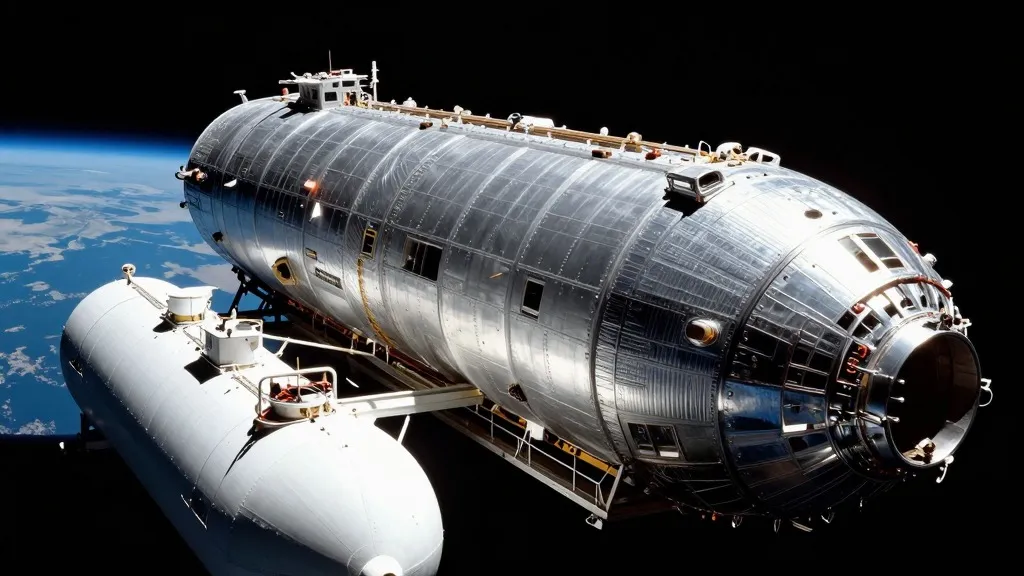
The NASA Aerospace Safety Advisory Panel has provided a new, specific estimate for the number of SpaceX Starship launches required to support a crewed lunar landing. During the panel's quarterly meeting held on Thursday, member Charlie Precourt, a former NASA astronaut, outlined the logistical challenges facing the Artemis program. His presentation indicated that approximately 22 launches are necessary to fuel a Starship-based lunar lander in low-Earth orbit, a figure that marks a significant shift in the agency’s public understanding of the mission’s requirements.
This new estimate resolves a long-standing ambiguity surrounding the Artemis program. For years, NASA officials have guarded the specific number of refueling flights needed with unusual caution, often comparing the secrecy to protecting nuclear codes. The agency has historically avoided giving a precise figure, preferring to say that the exact number was unknown. This reluctance has made the metric a moving target, with various officials providing vague ranges over the past few years.
In 2023, Lisa Watson-Morgan, who was then the director of NASA’s Human Landing System, told Ars Technica that the agency had a general idea but was reluctant to state exactly what it was. She later described the number as falling within the "high single digits to the low double digits," which implied roughly a dozen launches. This earlier estimate suggested a scenario where SpaceX would launch one "depot" Starship and eleven "tanker" Starships to fully load it with liquid oxygen and methane propellant for a lunar voyage.
Other NASA officials have previously cited figures in the "high teens," reflecting a hope that SpaceX could dramatically improve the lift capacity of the Starship vehicle. The expectation was that increased payload capacity would reduce the number of tanker flights required. However, the new estimate of 22 launches suggests that these efficiency gains may not materialize as quickly as anticipated. This higher number implies a more complex and resource-intensive operation in low-Earth orbit before the crewed lander can depart for the Moon.
Concerns are growing among some NASA officials that the necessary improvements to Starship’s lift capacity might not happen soon enough. There is a fear that if the vehicle does not become significantly more efficient, it may struggle to play a meaningful role in returning humans to the Moon within this decade. The Artemis program aims to land astronauts on the lunar surface this decade, and the fueling logistics are a critical bottleneck for meeting that goal.
Precourt’s remarks during the Thursday meeting focused on the risks associated with the Artemis program and the specific challenges of landing humans on the Moon. By highlighting the fueling requirements, the panel member underscored the operational complexity involved in assembling the spacecraft in orbit. The process requires multiple launches to deliver propellant to the depot, a step that must be completed before the lander can execute its lunar trajectory.
The shift from vague estimates to a concrete number of 22 launches provides a clearer picture of the logistical scale required for the mission. It highlights the dependency on SpaceX’s ability to maintain a high launch cadence and ensure the reliability of the Starship vehicle. For NASA, this estimate serves as a benchmark for planning and risk assessment as the program moves closer to its crewed lunar objectives.
As the Artemis program advances, the focus on the Starship-based lunar lander will likely intensify. The new estimate from the Aerospace Safety Advisory Panel adds a layer of specificity to the discussions surrounding the mission’s feasibility. NASA and SpaceX will need to align their development timelines to ensure that the necessary fueling infrastructure in low-Earth orbit is ready for the crewed missions planned for the coming years.
Source: Ars Technica