Tesla delays Optimus robot launch
The automaker has pushed external deliveries of its humanoid robot to late 2027, citing ongoing challenges with hand durability and artificial intelligence.
By Valentina Cruz ·
Tesla has officially pushed the timeline for delivering its Optimus humanoid robots to outside customers to the end of 2027. During the company’s Q3 2026 earnings call, CEO Elon Musk indicated that significant hurdles remain in the robot’s hands, overall durability, and artificial intelligence capabilities. While Musk asserted that no other company is close to Tesla’s progress, competitors like XPeng and Hyundai’s Boston Dynamics appear to be on similar or even slightly advanced trajectories.
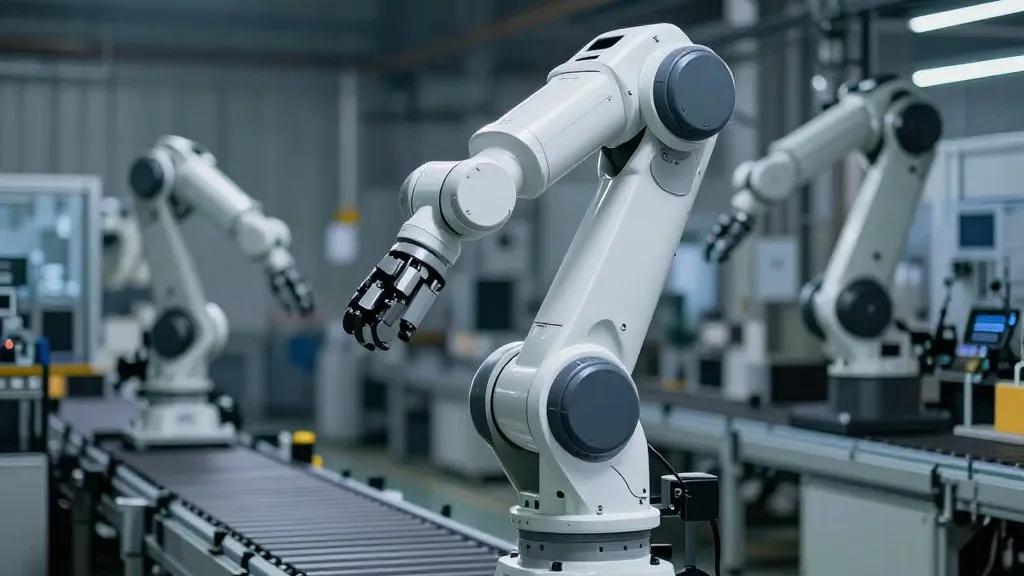
Production of the Optimus has begun on a high-volume line at the Fremont factory, a facility previously used for Model S and Model X vehicles. Although most of the line designed to produce a million robots annually is already installed, Musk noted that reaching a rate of 20,000 units per week will likely take at least another year. This delay is attributed to ongoing changes in the design, particularly regarding the electromechanical components and reliability. The goal is to ensure the robots do not wear out after just a month of use before they are shipped to industrial clients for dangerous or repetitive tasks.
A key bottleneck identified by Tesla’s engineers is the robot’s hand. The fingers must be soft enough to handle delicate objects while withstanding constant wear, a challenge compounded by the fact that robots cannot heal like human skin. Additionally, custom gears still present reliability concerns. On the software side, Tesla lacks a large fleet of robots to gather data for its AI, similar to its fleet for Full Self-Driving. To address this, the company plans to build 10,000 to 20,000 units to practice tasks in an "Optimus Academy" and intends to integrate its AI5 chip into the robots around April 2027.
Musk promised a video within the next one to two months showing the robot performing unscripted tasks, aiming to dispel the notion that humanoid demonstrations are merely pre-programmed routines. However, recent reports suggest that previous Optimus units were not production-quality, with hands containing over 100 parts assembled manually and AI systems taking days to learn basic functions. The timeline has shifted repeatedly since 2024, when Musk initially predicted internal use in 2025 and high-volume external sales in 2026.
Competitors are also grappling with similar issues but have made distinct progress. XPeng activated an automated production line for its IRON robot in Guangzhou in September, with mass production planned by the end of 2026 and deliveries starting in the first half of 2027. Meanwhile, Boston Dynamics began producing its electric Atlas in January and has committed all 2026 deployments, including to Google DeepMind. Unlike Tesla, Boston Dynamics has prioritized sturdy grippers for industrial use over human-like dexterity, effectively bypassing the hand-dexterity problem that is currently stalling Optimus.
Despite the delays, Tesla maintains a significant lead in the number of robots built, though building them is less critical than making them useful. The company’s Q3 shareholder letter described the latest batch from Fremont as the first "production-quality" bots. As the industry waits for the promised video, investors remain cautious, noting that while Tesla’s competitors may not claim to be alone in the market, they are also navigating the complex reality of creating general-purpose humanoids.
Source: Electrek